

A curtain that looks excellent in a showroom can disappoint once it reaches a sun-facing villa window, a hotel suite with high ceilings, or a compact apartment with limited wall space. Finding the best curtains supplier for villas, hotels, apartments in Dubai means choosing a team that can assess the room, understand how it is used, and deliver a finish that fits precisely – not simply sell fabric by the meter.
For most properties, curtains have several jobs at once. They set the mood of the room, protect privacy, filter strong daylight, support air-conditioning efficiency, and complete the design scheme. In hospitality and residential projects alike, the right supplier brings those priorities together through good consultation, accurate measurements, made-to-measure production, and professional installation.
What Makes the Best Curtains Supplier for Villas, Hotels, Apartments in Dubai?
The strongest suppliers do more than offer a large fabric book. They ask practical questions before recommending a style: Which direction do the windows face? Is privacy needed during the day or mainly at night? Are the windows full height? Will the curtains be opened and closed frequently? Is the property for family living, short-term rental, hotel guests, or a commercial fit-out?
Those answers determine whether a light-filtering sheer, lined drapery, blackout curtain, sunscreen blind, or layered combination is the better choice. A supplier should also be able to explain the trade-offs clearly. Full blackout fabrics are excellent for bedrooms and media rooms, for example, but curtain edges and track gaps can still allow some light unless the system is designed to reduce it. A beautiful sheer may soften daylight, but it will not provide nighttime privacy on its own.
A complete service matters because window treatments are rarely a one-size-fits-all purchase. Look for a supplier that handles site visits, measurements, fabric selection, tailoring, tracks, and installation under one accountable team. It reduces mistakes between the design idea and the final fitted result.
Start With the Property Type
Villas need scale, layering, and practical control
Villa interiors often feature wide sliding doors, double-height living rooms, bay windows, and large glazed areas. These windows need treatments with enough fullness and track strength to look proportionate. A narrow ready-made panel may cover the glass, but it can look flat and undersized in a large room.
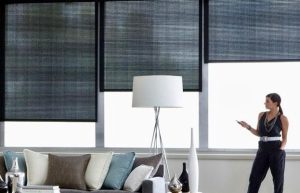
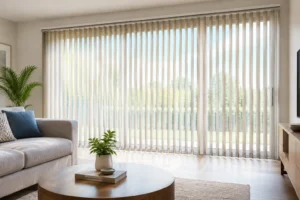
Layered curtains are a popular solution for villas: a sheer curtain handles daytime softness and visibility, while a decorative or blackout curtain provides privacy and stronger light control. For tall or difficult-to-reach windows, motorized tracks are often worth considering. They make daily operation easier and help preserve the fabric by avoiding repeated pulling.
Fabric selection should reflect the room’s use. Linen-look textures and soft sheers create an airy living space, while lined drapes can give bedrooms a more restful, private feel. In rooms exposed to intense sunlight, ask about fabric performance and lining options rather than choosing color on appearance alone.
Hotels require consistency and guest comfort
Hotel curtains must work reliably, look polished across multiple rooms, and suit the brand’s interior concept. A guest room may need a sheer for daylight plus blackout curtains for sleep quality. Public spaces may call for elegant decorative drapery, while restaurants and lounges may need a balance of atmosphere, glare reduction, and easy maintenance.
For hotel projects, repeatability is essential. The same fabric, fullness, heading style, track position, and drop should be documented and reproduced accurately across rooms. Suppliers should be prepared to coordinate with designers, fit-out teams, and project managers, especially where installation schedules are phased or rooms must remain operational.
It is also wise to discuss durability from the outset. Hotel curtains are used far more frequently than residential curtains. Strong stitching, suitable track systems, easy-care fabrics, and dependable installation make a visible difference over time. The least expensive initial quotation is not always the best value if the fabric fades early or the track struggles under daily use.
Apartments need precision without visual clutter
Apartments can have challenging layouts: recessed windows, sliding balcony doors, low ceilings, limited wall space, and nearby furniture. Here, proper measurement is the difference between a tailored look and a crowded one.
A good supplier will advise whether curtains should sit above the window, within a recess, or from a ceiling-mounted track. Ceiling mounting can make a room appear taller, while carefully selected sheers can bring softness without blocking valuable light. Where space is tight, blinds may be more practical in kitchens, studies, or narrow window areas, with curtains reserved for bedrooms and living rooms.
For landlords and furnished rental properties, durable neutral fabrics often make sense. They work with changing furniture, appeal to a broader range of tenants, and are easier to maintain than highly delicate materials. Owner-occupiers may prefer a more personal palette, patterned drapery, or automated controls that connect with their home setup.
Choose Fabric for Performance, Not Just Appearance
Fabric is often the first thing customers notice, but its performance should guide the decision. Sheers diffuse harsh daylight and maintain a light, open feeling. Dimout fabrics reduce incoming light while retaining some glow. Blackout fabrics are suited to bedrooms, nurseries, meeting rooms, and hotel guest rooms where better darkness is needed.
The lining also changes the result. A lined curtain can improve drape, add privacy, and offer more protection from sunlight. Thermal lining may support temperature control in rooms with large windows, although curtains should be viewed as one part of a wider cooling strategy rather than a substitute for proper glazing or air-conditioning.
Color deserves practical thought as well. Pale fabrics can brighten a room but may show dust or marks more readily in high-traffic spaces. Very dark curtains can create a dramatic look, yet they may feel heavy in a smaller apartment. Bring samples into the actual room whenever possible. Daylight, wall color, flooring, and artificial lighting can alter how a fabric appears.
Tracks, Headings, and Installation Are Part of the Design
Curtains do not perform well if the hardware is treated as an afterthought. The track must suit the curtain weight, window width, and operation method. A heavy lined drape needs a stronger system than a lightweight sheer. Double tracks are needed for layered curtains, while curved tracks may be required around bay windows.
Heading style affects both appearance and fullness. Wave curtains give a clean, contemporary rhythm and work especially well on ceiling tracks. Pinch pleats create a more formal, tailored finish. Eyelet curtains can suit certain residential spaces, but they are not always the best option for full-height windows or motorized applications.
Professional fitting also addresses details that are easy to miss: track clearance, curtain stack-back, overlap between panels, floor finish, and the position of handles on balcony doors. These details influence how the curtains move every day. They should be agreed upon before fabrication, not adjusted after installation.
When Motorized Curtains Make Sense
Motorization is particularly useful for wide glass walls, tall windows, and rooms where curtains are used several times a day. It is also a practical choice for villas, premium apartments, hotel suites, meeting rooms, and smart-home projects. Controls may be wall-mounted, remote-operated, app-based, or integrated into compatible home-automation systems.
However, motorization is not necessary for every window. A small guest-room window with a simple lightweight curtain may be better served by a quality manual track. The right decision depends on access, usage, budget, and the wider interior plan. A supplier should recommend automation where it adds real convenience, not merely because it is available.
Questions to Ask Before You Approve a Quotation
Before confirming your order, make sure the quotation identifies the fabric, lining, curtain style, track type, dimensions, installation scope, and expected timeline. Ask whether samples will be reviewed on site and whether the team will take final measurements before production.
It is also helpful to clarify how much fullness is included. Two curtains can cover the same window width but look completely different depending on fabric quantity. Discuss care requirements, especially for delicate sheers or hospitality installations, and confirm how any existing tracks or blinds will be handled.
Dubai Drapes Studio provides consultation-led curtain solutions with a free site visit, fabric selection support, custom tailoring, and professional installation. This approach is especially valuable when several rooms, different window types, or smart-control requirements need to be coordinated in one project.
The best next step is to schedule a site visit with your room photos, approximate window dimensions, and a few references for the look you want. Once fabrics are viewed in your own light and the windows are measured correctly, choosing curtains becomes a clear design decision rather than a guess.