

A hotel curtain is handled more often than most furnishings in the room. Guests pull it open before breakfast, close it against afternoon glare, and expect complete darkness when they sleep. Housekeeping teams need to clean around it quickly, while owners need it to look polished after hundreds of stays. That is why choosing the best fabrics for hotel drapes is a performance decision, not simply a color choice.
The right material must support the room’s design while meeting practical demands for light control, privacy, flame resistance, easy maintenance, and long-term value. A dramatic fabric that fades quickly or catches on the track can create expensive replacement work. A well-specified drape, by contrast, helps a hotel room feel quiet, private, and carefully finished.
What Hotel Drapery Fabric Needs to Do
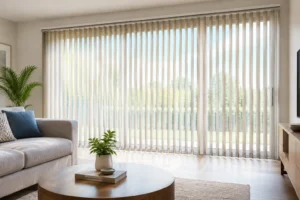
Hotel drapes rarely perform one job. In guest rooms, they often work as a layered system: a sheer curtain filters daylight and softens the view, while a heavier decorative or blackout drape controls privacy and sleep conditions. In public spaces, curtains may be used to frame windows, divide areas, improve acoustics, or add warmth to an otherwise hard-surfaced interior.
Before selecting fabric, consider the room type and the expected use. A beach-facing resort room needs reliable UV resistance. A city business hotel may prioritize blackout capability and a tailored, contemporary look. Ballrooms and restaurants can justify richer textures, but they also need fabrics that withstand frequent cleaning and meet applicable fire-safety requirements.
For most hospitality projects, the selection should balance five factors: durability, light management, fire performance, cleaning requirements, and visual consistency across many rooms. Price matters, but the lowest initial cost is not always the best hotel investment. A fabric that holds its color, pleats cleanly, and remains serviceable for years can reduce replacement cycles considerably.
Best Fabrics for Hotel Drapes by Application
Polyester: the practical hotel workhorse
Polyester is one of the most widely used fabrics in hotel drapery because it is durable, colorfast, wrinkle-resistant, and comparatively easy to maintain. It is available in an extensive range of weaves, weights, colors, and finishes, from simple matte textures to linen-look and velvet-look designs.
For guest rooms, polyester works especially well for both decorative drapes and sheers. It resists shrinking better than many natural fibers and can cope well with repeated handling. In bright locations, solution-dyed or high-quality polyester options are particularly useful because they offer stronger resistance to fading.
Its limitation is that lower-grade polyester can look overly shiny or feel light and inexpensive. The answer is not to avoid polyester, but to choose a quality weave and proper weight. A dense, textured polyester with a suitable lining can look refined while delivering the wear performance a hotel needs.
Polyester blends: a balance of texture and durability
Blended fabrics combine polyester with fibers such as cotton, linen, viscose, or rayon to achieve a more natural appearance without relying entirely on delicate natural fibers. These are a strong option for boutique hotels, suites, lobbies, and restaurant spaces where tactile character is part of the design concept.
A polyester-linen blend, for example, can provide the relaxed texture of linen while being more stable and easier to maintain. Cotton-polyester blends offer softness and body, making them suitable for tailored drapes with a residential feel.
The trade-off is that blends vary greatly. More natural fiber can mean greater risk of shrinkage, fading, or wrinkling, depending on the construction. Always review the fabric’s care instructions, composition, and suitability for commercial hospitality use before approving a full-room installation.
Trevira CS and inherently flame-retardant fabrics
For many hotel projects, fire safety is a central specification requirement. Trevira CS and similar inherently flame-retardant fabrics are engineered so their fire-retardant properties are built into the fiber rather than applied as a surface treatment. This makes them a dependable choice for guest rooms, corridors, function rooms, and other commercial interiors where compliance and longevity matter.
Unlike some topical treatments, inherent flame resistance is designed to remain effective through cleaning when the fabric is cared for according to its guidelines. These fabrics are available in sheers, dim-outs, textured drapes, and decorative designs, so safety does not have to limit the interior scheme.
Local fire requirements and project approvals can differ by property and location. Hotel operators should confirm the required certifications for their project rather than assuming that any labeled flame-retardant fabric is acceptable. A fabric consultation should include this discussion from the start.
Blackout and dim-out fabrics for guest rooms
Blackout drapes are essential where sleep quality is a priority. They block outside light from street lighting, early sun, neighboring buildings, and illuminated signage. For hotels in bright urban settings or sunny climates, blackout performance is often one of the first details guests notice, even if they never mention it directly.
There are two main ways to achieve blackout results. The first is a blackout-coated or blackout-backed fabric. The second is a decorative face fabric paired with a separate blackout lining. Both can work well, but the choice depends on the desired finish, budget, and curtain construction.
A decorative drape with a separate lining often offers a more substantial, luxurious appearance and protects the face fabric from strong sunlight. A blackout fabric used on its own may simplify fabrication and reduce bulk. In either case, correct coverage matters as much as the fabric. Light can leak around poorly sized curtains, shallow returns, or inadequate overlaps.
Dim-out fabric is different. It reduces light substantially but does not create full darkness. It is suitable for lounges, meeting rooms, or rooms where softer light control is enough. It should not be presented as a substitute for blackout in a hotel bedroom where guests expect darkness.
Velvet and heavy textured fabrics for statement spaces
Velvet, chenille, and other heavy textured fabrics bring depth, warmth, and acoustic benefit to lobbies, ballrooms, theaters, executive lounges, and premium suites. Their fuller weight creates impressive folds and can help reduce the hard, echoing feel common in large spaces.
These fabrics require thoughtful specification. They are heavier, so they need appropriately rated tracks, brackets, and motors if the drapes will be automated. Some pile fabrics can show marks from handling or directional shading, and their cleaning needs may be more specialized. For high-traffic public areas, select contract-grade velvet or a durable performance alternative rather than a delicate residential fabric.
Sheers Matter as Much as the Main Drape
A hotel room without a sheer layer can feel exposed during daytime. Sheers allow guests to enjoy natural light while limiting direct visibility from nearby properties. They also soften harsh views and give the window a finished appearance when blackout drapes are open.
Voile, textured polyester sheer, and flame-retardant sheer fabrics are common choices. The best option depends on privacy needs, window orientation, and interior style. A very open weave may look elegant but offer limited daytime privacy, while a denser sheer gives more protection and better UV diffusion.
For hotels in Dubai and other high-sun areas, a quality sheer can also reduce glare and help protect furnishings from direct sunlight. It is not a replacement for a dedicated solar shade where heat gain is severe, but it is an effective part of a layered window-treatment plan.
Construction Details That Protect the Fabric Investment
Even the best fabric can underperform if it is poorly made or installed. Fullness is important: curtains that are too narrow look flat when closed and do not provide the intended coverage. The heading style, track system, hem weight, lining, and side returns all affect how the drape hangs and how well it blocks light.
Motorized tracks are worth considering for premium rooms, large windows, and heavy curtains. They reduce rough pulling, help maintain even pleats, and add convenience for guests. Motors and tracks should be selected according to curtain weight and width, not only the visual design.
Cleaning should be planned before installation. Ask whether the fabric is vacuum-friendly, dry-clean only, washable, or suitable for on-site maintenance. Keep spare fabric or a documented specification for future repairs. Hotel rooms are renovated in phases, and a mismatched replacement panel is immediately visible.
A Better Way to Specify Hotel Drapes
The most successful hospitality schemes start with real samples at the window, not a color choice under showroom lighting. Review the material in morning sun, at night with room lights on, and against the wall finish, flooring, and bedding. Check how it folds, whether the sheer provides sufficient privacy, and how the blackout layer performs around the edges.
Dubai Drapes Studio can bring fabric options to your property, measure each opening precisely, and recommend a made-to-measure combination of sheers, drapes, linings, and tracks suited to the room’s use. This avoids a common project mistake: choosing an attractive fabric first and discovering later that it is too light, too transparent, or unsuitable for the required safety standard.
A hotel guest may never ask what fiber is behind the drape, but they will remember a room that feels private at midday, dark at bedtime, and polished from check-in to check-out. Book a free appointment to compare fabrics in the actual space and make that experience intentional.