

At 3 p.m., a Dubai window can turn a comfortable room into a place where screens are hard to read, furniture fades, and privacy feels limited. The choice between blackout roller blinds and sunscreen roller blinds in Dubai is rarely only about color or style. It is about how each room is used, the direction of the glass, the level of privacy required, and whether you want to retain a view during the day.
Both options offer a clean, contemporary finish that suits apartments, villas, offices, hotels, and fit-out projects. The right blind can reduce glare, improve comfort near large windows, and give an interior a more considered appearance. However, blackout and sunscreen fabrics are designed to do very different jobs. Understanding that difference before selecting colors, controls, and brackets leads to a better result after installation.
Blackout Roller Blinds vs. Sunscreen Roller Blinds in Dubai
Blackout roller blinds are made with an opaque fabric that blocks light from passing through the material. They are the practical choice when darkness, privacy, and stronger light control matter most. Bedrooms, nurseries, home cinemas, meeting rooms, classrooms, and spaces with projector screens are common applications.
A blackout fabric can significantly reduce direct daylight, but it is worth setting the right expectation: a standard roller blind may still allow thin lines of light around the sides, top, or bottom of the blind. This is normal, especially where the blind is fitted inside a window recess. For rooms that need the darkest possible finish, an outside-recess installation, wider fabric coverage, or cassette and side-channel systems may be more suitable. Precise measuring makes a noticeable difference here.
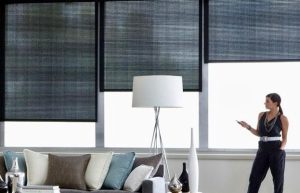
Sunscreen roller blinds use a woven mesh-like fabric designed to filter harsh sunlight while preserving outward visibility during daylight hours. They are popular in living rooms, open-plan spaces, offices, reception areas, and dining rooms with large glass panels. Rather than closing a room off from the view, sunscreen blinds soften the sun, reduce glare on televisions and computer screens, and help protect interior finishes from UV exposure.
The trade-off is nighttime privacy. When interior lights are on and it is dark outside, sunscreen fabric does not offer the same privacy as blackout material. People outside may see shapes, movement, or more, depending on the fabric openness and lighting conditions. For a street-facing apartment or a villa with neighboring windows, sunscreen blinds are often best paired with curtains or a second blackout roller blind.
How Sunscreen Fabric Openness Changes the Result
Sunscreen fabrics are commonly described by their openness factor, which refers to the percentage of open space in the weave. A lower openness factor, such as 1%, provides tighter screening, more daytime privacy, and stronger glare reduction. A higher openness factor, such as 5%, lets in more natural light and offers a clearer view outward.
There is no single best percentage for every home. A 1% fabric can work well in a west-facing office where afternoon glare is intense. A 3% or 5% fabric may be preferred in a living room where the view, daylight, and airy feeling are central to the design. Fabric color also affects performance. Darker sunscreen fabrics often provide better outward visibility because they reduce reflected light, while lighter colors can make a room feel softer and brighter.
For Dubai properties with broad glazing, selecting a sunscreen blind should involve more than choosing a swatch from a catalog. The window direction, the room’s use, surrounding buildings, floor level, and existing glass specification all affect the final result. A fabric that looks perfect in a showroom can feel different when sunlight hits a full-height window at midday.
Where Blackout Blinds Work Best
Blackout roller blinds are a strong choice when the room needs controlled light rather than filtered light. In a bedroom, they support better sleep by limiting early sun and bright exterior lighting. In a nursery, they can help establish a calmer sleep environment. In media rooms, they reduce reflections and make viewing more comfortable.
They are equally useful in commercial interiors. Meeting rooms benefit from blackout blinds when presentations are projected onto screens. Schools and training facilities often use them to control light for audiovisual sessions. Hotels may specify blackout systems in guest rooms, usually alongside sheer curtains, to create both daytime softness and nighttime darkness.
For a polished residential finish, blackout rollers can sit neatly behind decorative curtains. This combination gives the room practical darkness when needed while allowing homeowners to use curtains as the main design feature. It also adds flexibility: the roller handles light control, while the curtain fabric contributes texture, color, and visual warmth.
Where Sunscreen Roller Blinds Make More Sense
Sunscreen roller blinds are particularly effective in rooms that need daylight without the discomfort of direct sun. A home office with a computer monitor, for example, may need glare reduction but still benefit from a view and natural light. A sunscreen blind can make the space more usable without making it feel closed in.
In offices, sunscreen blinds give windows a uniform, professional appearance while helping employees work more comfortably near glass facades. They can also be specified in neutral colors that coordinate with corporate interiors, furniture, and partition systems. For restaurants, reception areas, and show homes, they offer a simple way to manage strong daylight while maintaining an open visual connection to the outdoors.
They are not a replacement for blackout blinds in every situation. If privacy is the main concern after sunset, or if the room must be dark during the day, sunscreen fabric alone is unlikely to meet the brief. A dual roller blind system is often the more effective solution: sunscreen fabric for daytime use and blackout fabric for the evening or sleeping hours.
Made-to-Measure Details That Affect Performance
The difference between an average blind and a well-fitted blind often comes down to the survey and installation. Roller blinds must be measured for the exact window width, drop, recess depth, handle position, and mounting surface. These details decide whether the fabric rolls cleanly, clears the window handle, and gives the coverage expected.
Inside-recess fitting creates a tidy, built-in appearance, but it may allow more edge light with blackout fabric. Outside-recess fitting can cover more of the window frame and improve light control. Ceiling mounting is useful for floor-to-ceiling windows, while wall mounting may be better where ceiling access is limited. Each option should be discussed before the blind is produced.
Control choice matters too. A chain-operated roller blind is reliable and cost-effective for many windows. Motorized blinds are particularly useful for wide glazing, hard-to-reach windows, and rooms with multiple blinds that should move together. They can be operated by remote control, wall switch, or compatible smart-home systems. Motorization adds convenience and a cleaner appearance, although it requires planning for power access, battery charging, or wiring during renovation.
At Dubai Drapes Studio, a site visit allows the team to assess these details in the actual space, bring suitable fabric samples, take precise measurements, and recommend a system that fits the window and the way the room is used.
Choosing Color and Finish Without Compromising Function
Neutral grays, warm whites, beige, charcoal, and soft stone shades remain popular because they work easily with modern Dubai interiors. But color should not be chosen only to match the wall paint. With sunscreen blinds, the shade influences glare control and view quality. With blackout blinds, it affects the mood of the room when the blind is down.
Consider the hardware as part of the design. Brackets, bottom bars, cassettes, and chains can be selected to complement the interior rather than appear as an afterthought. In minimalist spaces, a cassette system can conceal the rolled fabric for a more refined look. In family homes, child-safe control options and secure chain tensioners should be included in the specification.
A Better Way to Plan Your Window Coverings
Start with the room’s real requirement, not just the fabric appearance. Ask whether the main issue is sleeping, glare, daytime heat, privacy, preserving a view, or coordinating with curtains. A bedroom may need blackout. A study may need sunscreen. A living room may benefit most from both.
Bring window photos, approximate dimensions, and any interior finishes you have already selected to your consultation. A free appointment and on-site measurement can turn a broad preference into a clear recommendation, accurate quotation, and professionally installed result. The right roller blind should make the room more comfortable every day, not simply look good on installation day.