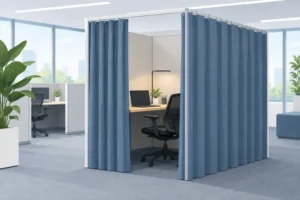

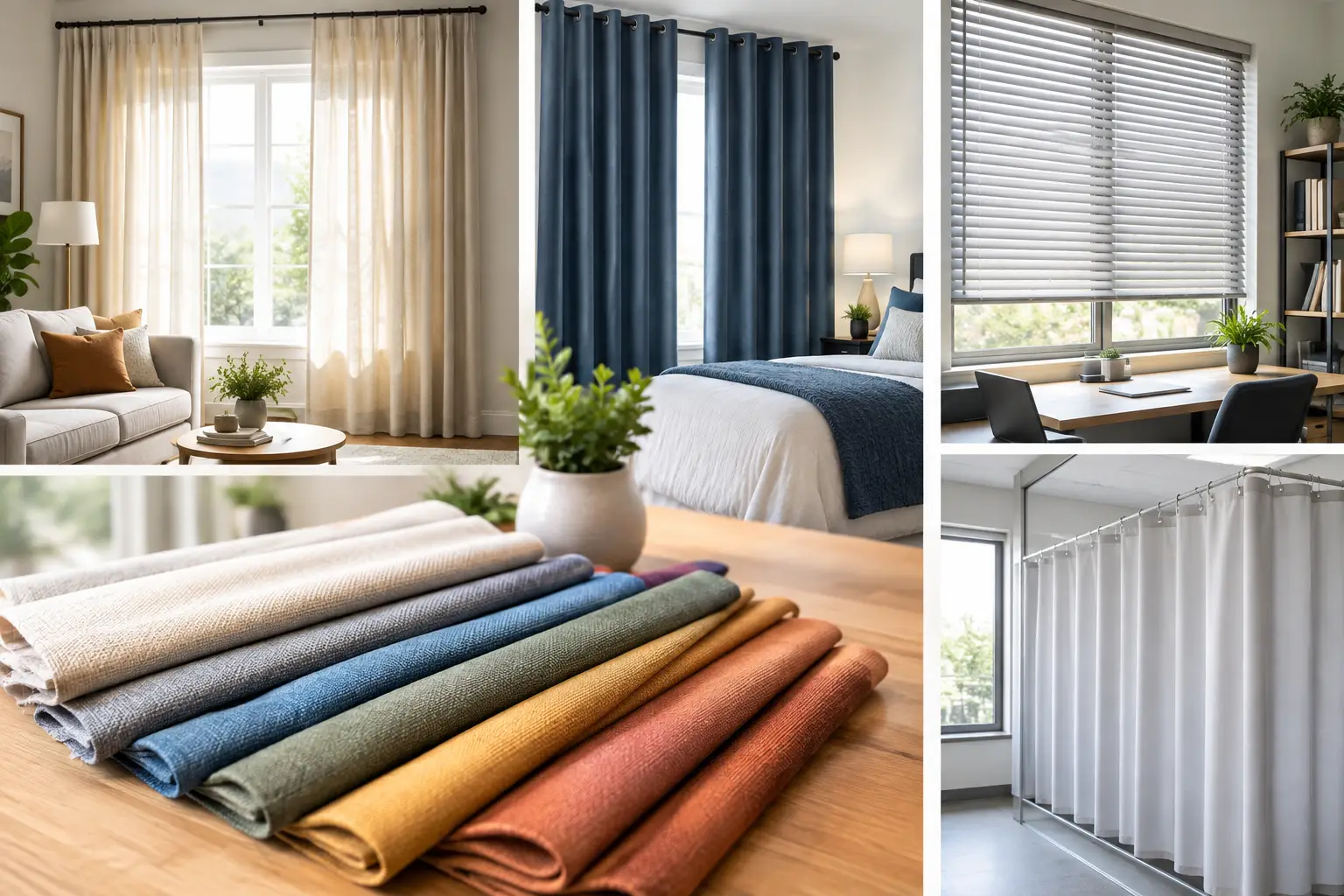
A curtain can look perfect in a sample book and still disappoint once it is hanging across a wide, sun-filled window. The difference usually comes down to fabric weight, weave, lining, and how the material performs in that particular room. Knowing how to choose curtain fabric means looking beyond color and choosing a finish that suits your privacy needs, daylight, air conditioning, and interior style.
For a villa living room, a bedroom with early morning sun, or a compact apartment where every window matters, the right fabric should work as well as it looks. Start with what you need the curtain to do, then narrow down the decorative details.
Start With What the Curtain Needs to Do
Every room has a primary requirement. In bedrooms, that may be darkness and privacy. In a formal living room, it may be soft daylight with a polished, layered look. In a home office, glare reduction can matter more than total blackout. A fabric that is ideal for one setting may be completely wrong for another.
Think about the window’s orientation and exposure. West-facing windows in Dubai and across the UAE receive strong afternoon sun, so light fabrics without lining may fade faster and allow noticeable heat into the room. A heavier drape or a lined curtain can improve comfort while giving the fabric a fuller appearance.
Privacy is another practical consideration. Sheer curtains soften a view and provide daytime privacy, but at night they become transparent when interior lights are on. For bedrooms and ground-floor rooms, pair sheers with a second curtain layer or select a denser fabric. This layered approach gives you gentle daylight during the day and dependable coverage after dark.
How to Choose Curtain Fabric by Fiber and Finish
The fiber affects how a curtain falls, wears, cleans, and responds to sunlight. There is no single best material. The right choice depends on the balance between appearance and daily use.
Cotton and cotton blends offer a relaxed, versatile look. They are available in many colors and patterns, and they suit casual living spaces, children’s rooms, and contemporary interiors. Pure cotton can wrinkle and may fade in intense sunlight, so a blend or lining is often the more practical choice for exposed windows.
Linen has a beautiful natural texture that works especially well in calm, modern, coastal, and organic interiors. It filters light elegantly and gives a room an easy, tailored feel. However, linen creases naturally and does not provide strong blackout performance on its own. Choose linen or a linen-look blend when texture and soft daylight matter more than total darkness.
Polyester is durable, cost-effective, and widely used in made-to-measure curtains. It resists wrinkles, holds color well, and can imitate the look of linen, silk, velvet, or woven natural fabrics. For rental properties, busy family homes, and large window treatments, high-quality polyester blends often offer excellent value without compromising the finished look.
Velvet is dense, luxurious, and effective at blocking light when paired with suitable lining. It adds depth to larger rooms and is a strong choice for media rooms, formal bedrooms, hotel-style interiors, and spaces where insulation matters. Its trade-off is weight. Velvet needs a properly specified track or rod, professional tailoring, and enough stacking space beside the window.
Silk creates a refined, formal finish, but direct sun can damage natural silk quickly. If you want the appearance of silk in a bright room, consider a lined curtain or a durable silk-look fabric. A sample can show the color and texture, but a consultant can help assess whether that fabric is suitable for the window’s exposure.
Consider Weight, Weave, and Drape
Fabric weight changes both performance and appearance. Lightweight voiles and sheers float softly and diffuse harsh daylight, but they will not block views or heat effectively. Medium-weight fabrics are often the most flexible option for living rooms and dining areas because they provide shape, privacy, and manageable light control.
Heavy drapery fabrics create fuller pleats and stronger light control. They also tend to offer better acoustic and thermal benefits, particularly when lined. The trade-off is that heavier curtains require more substantial hardware and may feel overpowering in a small room with low ceilings.
The weave matters too. An open weave lets more light through, even if the fabric feels relatively thick. A tightly woven fabric is more private and will usually provide better room darkening. Hold a sample against a window or bright light source rather than judging it only under showroom lighting. This simple check reveals how transparent the fabric will be in real conditions.
Choose Lining for Better Light and Temperature Control
Lining is often the detail that turns an attractive curtain into a high-performing window treatment. It can protect the face fabric from sun exposure, improve how the curtain hangs, add insulation, and increase privacy.
Standard lining gives body and helps the curtain fall neatly. Dim-out lining reduces incoming light but does not completely darken the room. Blackout lining is designed for bedrooms, nurseries, media rooms, and spaces where sleep or screen visibility is a priority. Even with blackout fabric, small gaps at the top and sides can let light in, so precise measurements and the right track placement are essential.
For homes with strong sun exposure or high cooling demands, thermal lining can be a worthwhile investment. It helps reduce heat transfer through the window area and can make rooms feel more comfortable. Curtains are not a replacement for efficient glazing, but the right fabric and lining can make a noticeable difference in a room that receives direct sun.
Match Curtain Fabric to Each Room
In a living room, combine sheers with decorative drapes for the most control. Sheers keep the room bright and welcoming during the day, while side drapes add privacy, softness, and a finished designer look. Neutral woven fabrics, textured linens, and subtle patterns are popular because they coordinate easily with changing furniture and accessories.
Bedrooms need a more functional approach. Choose a room-darkening or blackout fabric, or use blackout lining behind a decorative face fabric. If the room is small, select a lighter color to avoid making the walls feel closed in. For a more luxurious result, install curtains high above the window and extend the track beyond each side so the fabric can stack away from the glass.
Dining rooms can support more decorative choices, including jacquards, embroidered fabrics, velvet, or richer textures. Since these spaces are used less intensely than family rooms, you can prioritize visual impact. Still, consider washable or easy-care materials if the curtains are close to a dining table or open kitchen.
For kitchens and bathrooms, traditional floor-length curtains are not always practical. If you use fabric near moisture, steam, or cooking areas, choose a moisture-resistant, easy-clean option and keep it away from direct splashes and heat. Blinds or shutters may be the better solution for many of these windows.
Use Color and Pattern With the Room, Not Against It
Curtain color should relate to the walls, flooring, upholstery, and natural light. A close tonal match with the wall color creates a calm, spacious effect. A deeper color frames the window and adds contrast. If the room already has patterned rugs, wallpaper, or statement furniture, a textured solid curtain often provides balance.
Patterned fabrics work best when viewed at the correct scale. A small sample may make a bold print look subtle, but several meters of fabric can dominate the room. For wide windows, large patterns and wide repeats need careful planning so the finished panels look balanced rather than cut off awkwardly at the edges.
Also consider how the color changes in daylight. Warm beige may look golden in a sunlit room, while cool gray can appear blue under certain conditions. Viewing fabric samples in the actual room is far more reliable than selecting under store lighting.
Do Not Overlook Measurements and Hardware
Even the best curtain fabric will look ordinary if it is too narrow, too short, or fitted on unsuitable hardware. Fullness is especially important. A curtain should have enough fabric width to form proper folds when closed, rather than stretching flat across the window.
The track or rod affects the final style and function. Ceiling-mounted tracks make rooms feel taller and are ideal for wave curtains and layered sheer-and-drape arrangements. Motorized tracks are especially useful for tall windows, large spans, and smart-home projects, but the fabric weight must be matched to the motor and track capacity.
This is where a professional site visit adds real value. Dubai Drapes Studio can assess light direction, measure the full treatment area, bring fabric samples into your space, and recommend compatible lining, tracks, and installation details before production begins.
Make the Final Choice With a Full Sample
Before approving a fabric, check it in the room at different times of day. Touch it, fold it, and hold it against the wall, flooring, and furniture. Ask how it should be cleaned, whether it needs lining, how much it will stack when open, and whether the selected hardware can support its weight.
A curtain is a long-term part of the room, not a small accessory. Choose a fabric that gives you the atmosphere you want when the sun is streaming in, the privacy you need at night, and a finish that still feels right every time you enter the space. Book a Free Appointment to see the difference that measured samples and expert fitting can make.